DEPARTURE ON
Jul 6th 2019

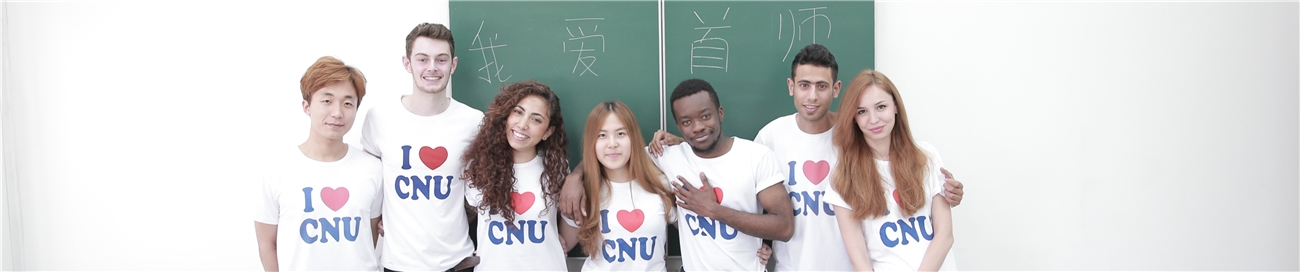
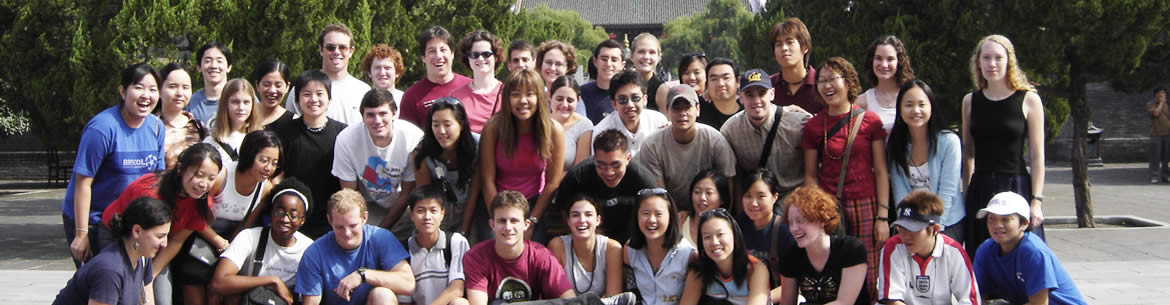
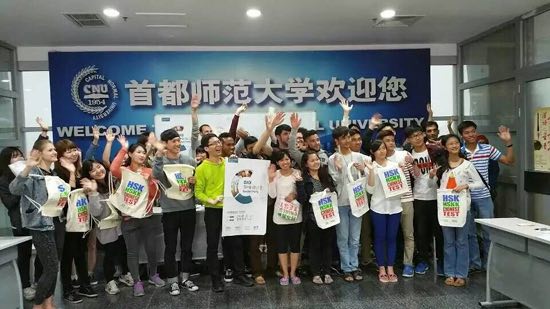
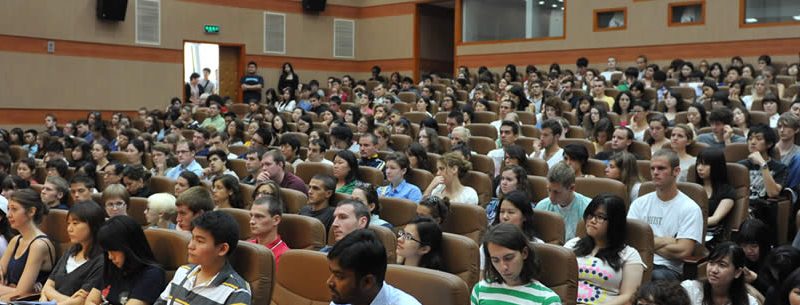
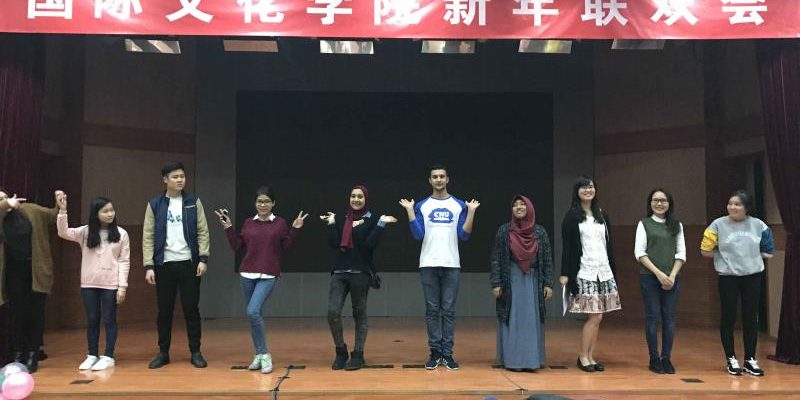
Do you want to speak Chinese with fluency and confidence? Do you want to learn the history and culture of China? Do you want to be amazed by all the historical sites and local foods of China? If the answer is yes, then the Central China Normal University (CCNU) Summer Camp is an opportunity to learn and enjoy everything in an immersive, Chinese-language only environment! At CCNU, your top-notch instructors from one of oldest and best Chinese programs will prepare fun, innovative, and interactive daily lessons to help you reach your language fluency goals — our students are always amazed by how fast they learn! Moreover, by placing students in the midst of Chinese culture and society, our students gain a deeper understanding and appreciation of Mandarin which simply can’t be learned from a textbook.
Highlights
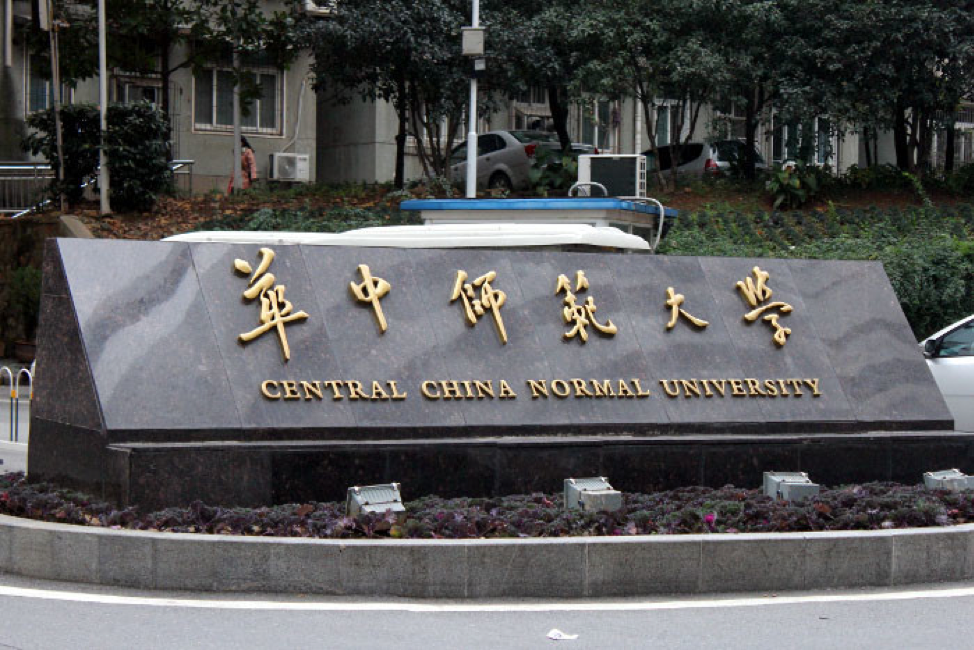
Central China Normal University also known as Huazhong Normal University is located in Wuhan, China, one of the cities with most colleges and companies. The university has a long history, and some departments can be traced back to 1871 when the American Anglican Church founded Wenhua Academy in Wuhan. CCNU is one of the earliest Of Chinese universities to begin receiving international students, and also one of the first schools to offer prep courses to non-native speakers for Chinese Proficiency Test (HSK). CCNU has 28 colleges, 60 institutes and research centers offering 65 Bachelor program, 184 Master programs and 94 doctorate programs, currently 30,000 fulltime students are attending the school, among them 2,750 international students are from 143 countries. CCNU is famous for its literature, history, pedagogy, psychology, physics, biology majors, which rank Top 5 in the country. The scenery on the campus is very beautiful all seasons. Capital Normal University was founded in 1954. Previously called Beijing Teacher's College, it was renamed Capital Normal University in 1993. Capital Normal University consists of 27 colleges and department. The University has more than 31,086 students, including 10,763 undergraduates, 6,411 graduate students, 11,993 adult students, and 1,352 foreign students. Undergraduates can choose from 41 different majors.
http://english.ccnu.edu.cn/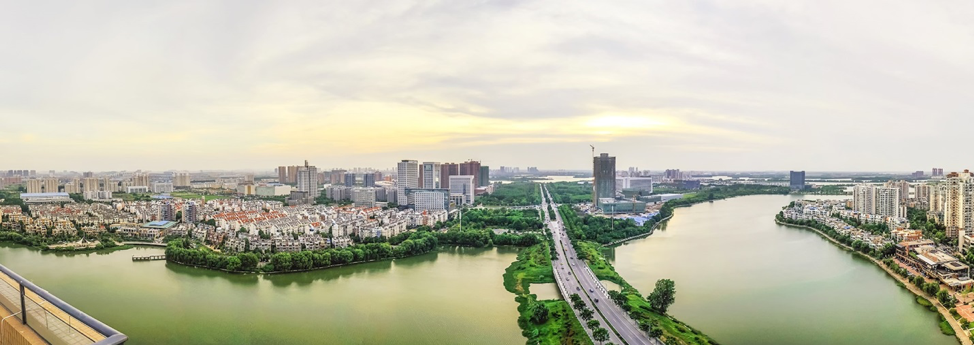
Wuhan is also called "River City" as the Yangtze and Han rivers separate Wuhan into three areas: Hankou, Wuchang and Hanyang. Long ago, the modernization movement led to this place having a number of first-class factories. The century-old buildings of Hankou bore witness to the growing prosperity of that time. The Wuchang Uprising of 1911 here marked the establishment of the Warlord Era. Currently, Wuhan's many institutions of higher education completely suffuse the area with vitality. Optics Valley, a software park in the free-trade zone, also has become one of new Wuhan's core locations. Tanhualin Art Village and Hanyang Art Zone are two places highly unlikely to disappoint young artistic types. The various blossoms and East Lake attract the interest of countless tourists. Reganmian (hot dry noodles) and ducks are both traditional local delicacies. Lounging over a rich breakfast is a good way to spend the morning and a better way to get an idea of the way in which the people of Wuhan live.
https://en.wikipedia.org/wiki/Wuhan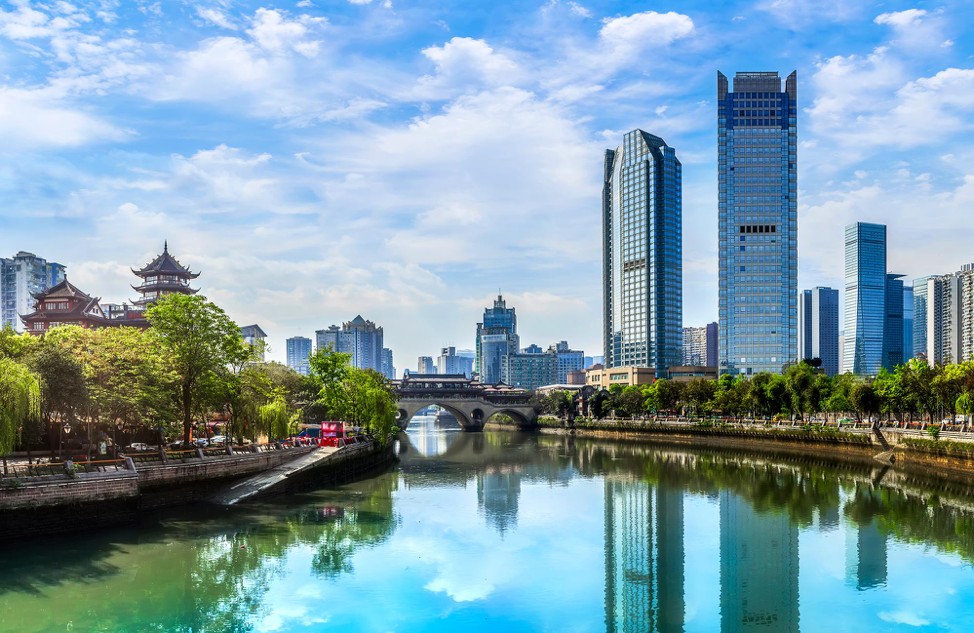
Chengdu is a city on the rise, one you will want to visit again and again. Chengdu has a long and storied history. It has a unique cuisine with a huge number of hot and spicy dishes, as well as an enviously relaxed pace of life. Historic Jinli’s overpowering sense of enthralling antiquity, adorable giant pandas and avenues full of hotpot restaurants all call out to welcome visitors from near and far. On the outskirts of town, you can find quiet solace in peaceful Qingcheng Mountain or the bucolic ancient town of Anning. It is a vastly different side of Chengdu. Chengdu is also a fashionable city. The nightscape of Jiuyan (the Nine Arched) Bridge and the nearby Kuanzhai Alley truly make people feel the fast-paced pulse of the city.
https://en.wikipedia.org/wiki/chengdu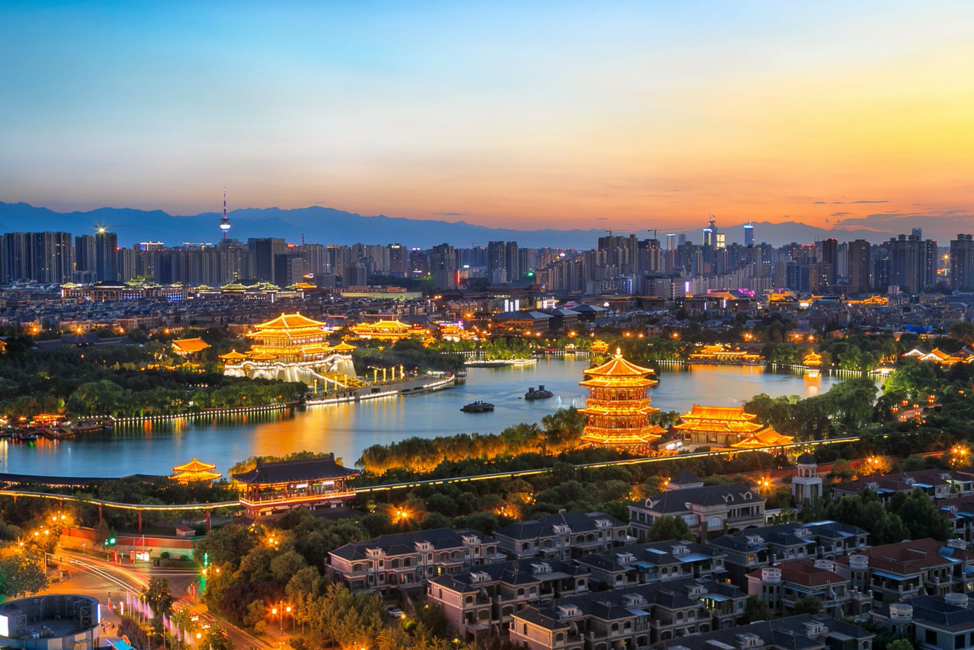
Xi’an City is one of the world's four great ancient cities, being most famous for its role as the starting point of the Silk Road. In the past, it was previously known as Chang'an. Familiar to every Chinese person, this is a name that evokes a sense of pride. Xi’an is widely regarded as the greatest city in Chinese history. During imperial dynasties such as the Zhou, Qin, Han and Tang, this was the nation's capital city. The Mausoleum of the First Qin Emperor sits quietly on the outskirts of town waiting to welcome visitors. Big Wild Goose Pagoda offers adventure for travelers in search of traces left behind by monk Xuanzang. The towering heights of the city walls have 600 legends and stories to tell. Xi’an City's local delicacies are a must-try. There are many different types of food, all of which are completely suffused with the characteristics of northwestern China.
https://en.wikipedia.org/wiki/Xi%27an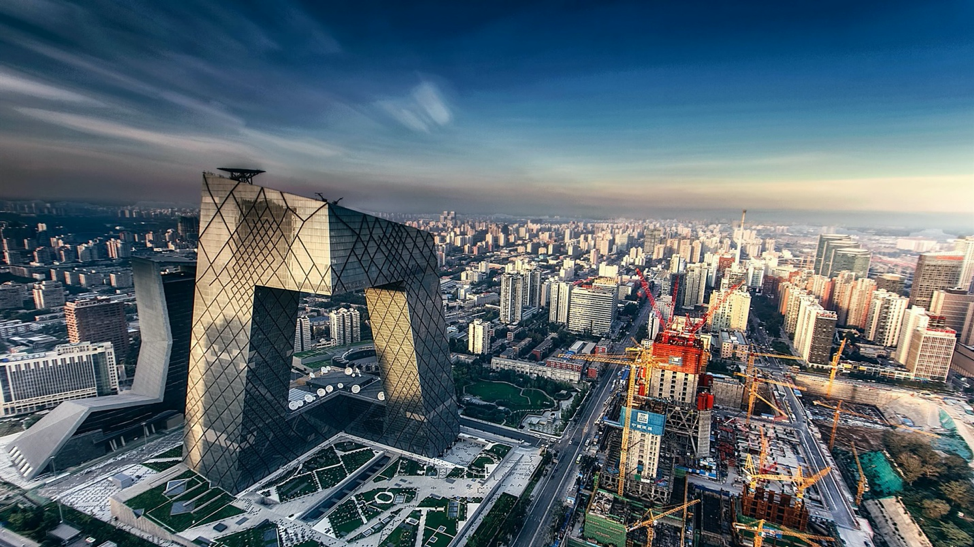
Beijing is China's capital city. It was first established around 3,000 years ago and has historically been the capital of the nation for more than 800 years. This place has a long and storied history and culture. Tian’anmen Square, the Great Wall, The Forbidden City, Summer Palace and Temple of Heaven all have an incomparable imperial style. Beijing is also an international city with a modern and fashionable elegance. The nightscape of places like Sanlitun and Shichahai is intoxicating. In all its neighborhoods, Beijing is packed with places that will evoke surprise and wonder.
https://en.wikipedia.org/wiki/beijing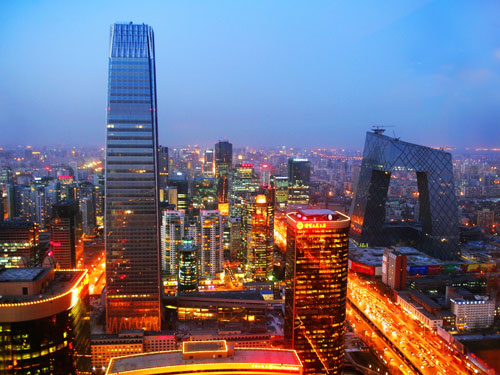
Begin your journey by boarding Air China CA 986 for Beijing with the group.
Arrive in Beijing, China, check-in hotel.

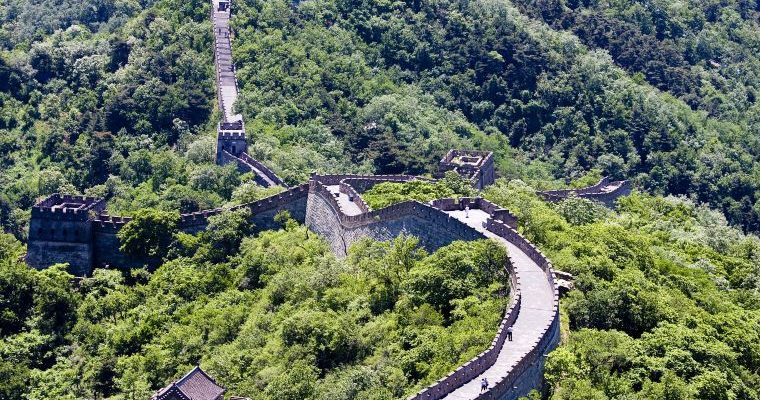
One day field trip to Mutianyu Great Wall is located in Huairou district, Beijing. To the west of Mutianyu is Juyongguan Great Wall, while to the north is Gubeikou. Since ancient times, this has been a location with military significance and has defended Beijing from attack. Mutianyu Great Wall is principally built on the edge of a steep hill, using the hillside as an advantage. The height of the Great Wall reaches seven to eight meters and the width reaches four to five meters. The main building material is granite, making the structure both majestic and solid. There are many towers on the Mutianyu section.
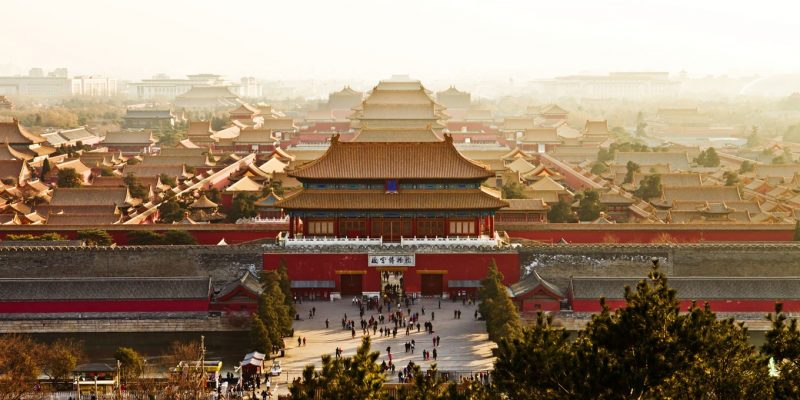
Forbidden City, also known as the Palace Museum, and GU Gong in Chinese, lies in the city center of Beijing, and once served as the imperial palace for 24 emperors during the Ming and Qing Dynasties (1368 – 1911). It was first built throughout 14 years during the reign of Emperor Chengzu in the Ming Dynasty (1368-1644). Ancient Chinese Astronomers believed that the Purple Star (Polaris) was in the center of heaven and the Heavenly Emperor lived in the Purple Palace. The Palace of the emperor on earth was so called the Purple City. It was forbidden to enter without special permission of the emperor. Hence its name ‘The Purple Forbidden City’, usually ‘The Forbidden City’.
Now known as the Palace Museum, it is to the north of Tiananmen Square. Rectangular in shape, it is the world’s largest palace complex and covers 74 hectares. Surrounded by a 52-meter-wide moat and a 10-meter-high wall is more than 8,700 rooms. The wall has a gate on each side. The distance between the south Meridian Gate (Wumen) and the North Gate of Divine Prowess (Shenwumen) is 961 meters (1,051 yards), while the distance between the east and west gates is 753 meters (823 yards). There are unique and delicately structured towers on each of the four corners of the curtain wall. These afford views over both the palace and the city outside.
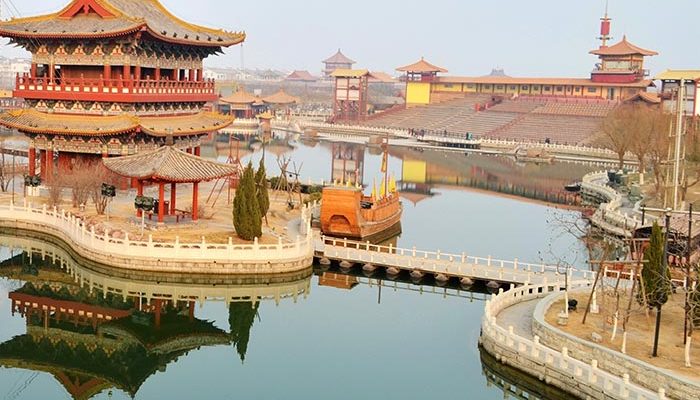
Kaifeng is located in eastern Henan. It is one of China’s seven great ancient capitals and a famous historic city. Early during the Northern Song Dynasty, this was the economic, cultural and legal center of China. Today it has become known as a bustling international metropolis. The famous scroll painting “Along the River During Qingming Festival” showcases the glory of Kaifeng during its era as the eastern capital of China. The current city of Kaifeng still has an ineffable air of antiquity. When searching for the ancient capital among the ruins and broken tiles, it is easy to find yourself imagining the incredible prosperity the city must have had at the time “Along the River During Qingming Festival” was painted. “Along the River” is far from being the only painting Kaifeng is famous for. The city has also been home over the years to many calligraphers and painters and is known as a city of refined culture and entertainment. To stroll among the various local academies and theaters is a unique experience in and of itself.
The Qingming Riverside Landscape Park is a cultural theme park mimicking the famous painting “Along the River During the Qingming Festival” by Zhang Zeduan in the Song Dynasty. The park brings to life the bustling Bianjing city, capital of the Northern Song Dynasty, and you can see replicas of the famous buildings of that city, including restaurants, tea houses, and pawn shops, among other civilian living facilities. The staff in the garden are all dressed in Song Dynasty clothes and you can experience the fun of Song Dynasty games. Every day, there are many cultural performances, such as “Baogong patrolling the Jinghe River” and “Wangyuan marrying off her daughter”, showcasing the interesting folk traditions of that period.
Luoyang is one of the birthplaces of Chinese civilization. This place is home to UNESCO World Heritage Sites such as the Longmen Grottoes and the Buddhist White Horse Temple, which, according to tradition, was the first Buddhist temple established in China. There is also the beautiful Luoyang Peony Garden. If you want to explore Luoyang’s mysterious history and culture, you can go to the Longmen Grottoes. These are one of China’s four great Buddhist grottoes. Pay respects to the statue of the Vairocana Buddha, which was carved to resemble Empress Wu Zetian—China’s first and only female emperor. Afterward, go to White Horse Temple where you can see the Yuan Dynasty-era lacquered statues and precious monuments. The Luoyang Ruins of Sui and Tang Dynasty site has scenes from Empress Wu Zetian’s life, including both political and religious aspects. If you really enjoy going to museums, Luoyang has a number of excellent ones, including the Tianzi Jialiu Museum, the Luoyang Museum, and the Luoyang Ancient Art Museum. Once night falls, consider strolling through the bustling streets of old Luoyang.
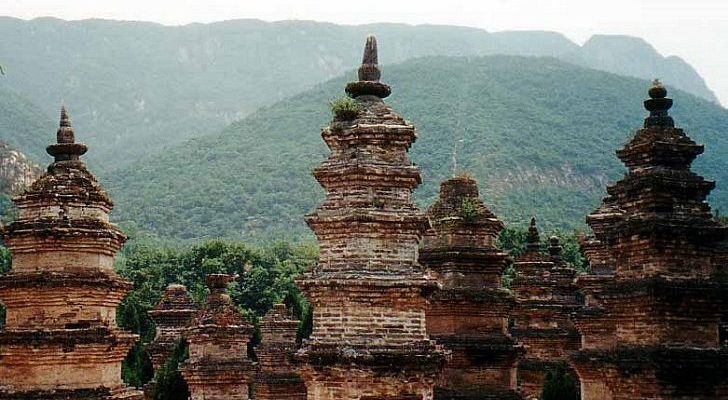
Shaolin Temple is not only the holy place of the Buddhist “Zen” but also the sacred place of the world martial arts. They all said that “the martial arts in the world are born in Shaolin.” Not to mention the local people who have been influenced by Shaolin Kungfu since childhood, many other foreign visitors will also want to visit the Shaolin Temple. Try mimicking a few classic martial arts moves at the Shaolin Temple, and imagine a flurry of swords and the shadows come to life in front of you.
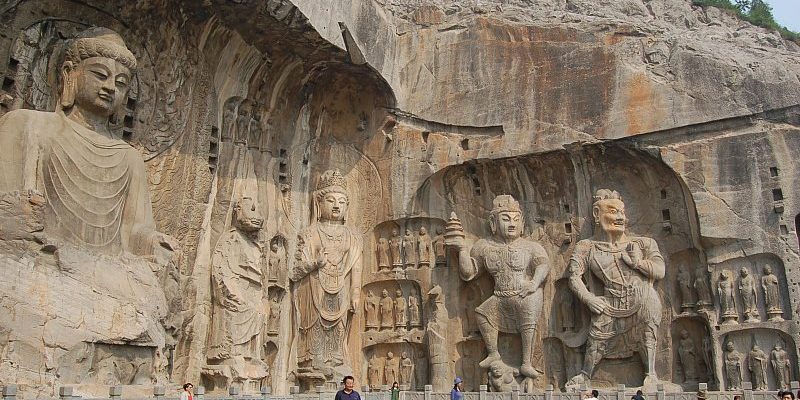
One of the four major grottoes of China and a UNESCO World Heritage Site, the Longmen Grottoes is a trove of 1000 years of Buddhist art treasures. Bounded by the Yi River, the caverns are divided into two sections at East Hill and West Hill. The caverns at East Hill contain mostly Tang dynasty (618-907) works, while the caverns at West Hill were cut out during the Northern, Sui, and Tang dynasties and contain the carvings that are most representative of the site. The Buddha and bodhisattva sculptures that inhabit the caverns are carved into an endless variety of poses and expressions of mercy and kindness, while the caves themselves lend a stately and dignified atmosphere. The artistry of these sculptures is truly a priceless inheritance of Buddhist art.
Xi’an City is one of the world’s four great ancient cities, being most famous for its role as the starting point of the Silk Road. In the past, it was previously known as Chang’an. Familiar to every Chinese person, this is a name that evokes a sense of pride. Xi’an is widely regarded as the greatest city in Chinese history. During imperial dynasties such as the Zhou, Qin, Han, and Tang, this was the nation’s capital city. The Mausoleum of the First Qin Emperor sits quietly on the outskirts of town waiting to welcome visitors. Big Wild Goose Pagoda offers adventure for travelers in search of traces left behind by monk Xuanzang. The towering heights of the city walls have 600 legends and stories to tell. Xi’an City’s local delicacies are a must-try. There are many different types of food, all of which are completely suffused with the characteristics of northwestern China.
The Huaqing Palace on the outskirts of Xi’an has been a hot spring bathing resort since ancient times and was also where the Xi’an Incident took place. During Emperor Xuanzong’s reign in the Tang Dynasty, it was a bathing place for the royal family and court ministers. Now, you can visit the royal pools of Tang Xuanzong and Yang Guifei, named Lotus Pool and Haitang Pool respectively. In 1936, the Xi’an Incident took place and changed China’s destiny. In the southern part of the scenic spot, the “five halls” of Chiang Kai-shek’s old residential site was preserved intact, and the bullet marks of the fierce battle are still left on the walls.
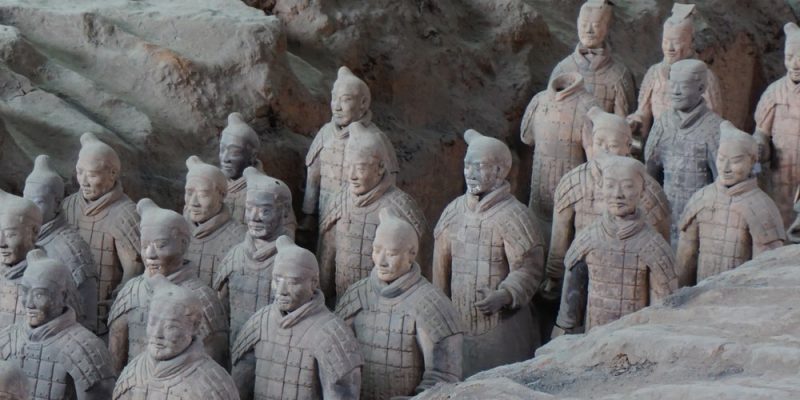
The Museum of Qin Terracotta Warriors and Horses, also known as the Terracotta Army, is located about 1.5 kilometers east of the Mausoleum of the First Qin Emperor and forms part of the extensive necropolis. There were more than a thousand terracotta soldiers unearthed here, each with a different facial expression. Standing before the massive underground army, you will feel the extraordinary might of the Qin Emperor that enabled him to unify six warring states two thousand years ago. The Qin Emperor Ying Zheng began building the mausoleum for himself at the age of 13. Nearly 720000 men and 38 years were required to complete this vast project.
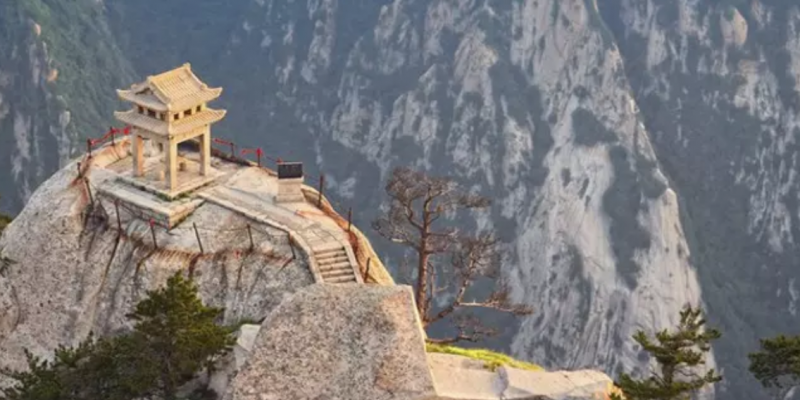
Mount Hua(Huashan), one of China’s five sacred mountains is located in Western China, in the territory of Huayin City, 120km away from Xi An. The mountain has five main peaks —a North, South, East, West, and Center. It has a Plank Walk located at South Peak that is considered by many to be one of the most dangerous hikes in the world. Hikers who challenge it will have to traverse paths made up of narrow planks of wood bolted to the side of a cliff, 2000 feet in the air. Even though there are harnesses attached to all hikers challenging the path, the experience is still one of the most thrilling on earth! Besides that, the mountain is also famous for its narrow pathways and steep stairways. If you are someone that is looking for a challenging hike, Huashan is definitely one of the toughest available out there. Just make sure that safety is your utmost priority. Watch your steps and stay alert during the hike!
The Shaanxi History Museum is a good place to learn about ancient Chinese civilization. The museum houses bronze artifacts from the Shang and Zhou dynasties, gold and silver artifacts of the Han and Tang dynasties, and Tang dynasty murals, of which a large portion of them are treasures of the Han and Tang period. The Beast-Head-Shaped Agate Cup, the Silver Pot with Design of A Horse Dancing and Holding A Cup in Its Mouth, and the “Huang Hou Zhi Xi” are cultural artifacts that the country has prohibited from leaving the country and can only be seen in the Shaanxi History Museum.
Xi’an City Wall Ride is an excellent experience. The fortification walls surround the city center. During the ride, visitors will almost feel as if they have traveled through time back to the ancient Chang’an City. They can enjoy a view of a busy modern city with all of its lights and glory as well as a view of marvelous ancient historical sites and culture. It is quite a different experience.
Xi’an Beilin Museum is located near Wenchang Gate. The museum contains a forest of stone monuments, stone carvings, etc. Among them, the forest of stone monuments is composed of monuments and epitaphs from past dynasties. It is the highlight of the museum. In the Beilin Museum, you can admire inscriptions and epitaphs of different dynasties. The collection of inscriptions and epitaphs spans over 2,000 years.
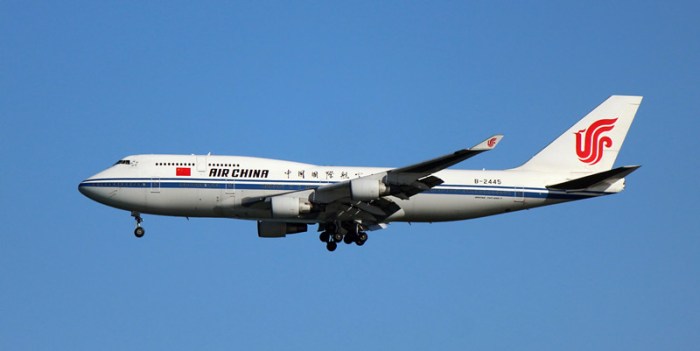
End your journey by boarding Air China CA 985 returning to San Francisco with the group.
Bridging Inc.’s business philosophy is to provide nuanced and innovative professional services that exceed customer expectations. The founding team has extensive experience with a number of companies in the United States, including serving as a senior advisor on strategy, marketing, innovation and transformation for fortune 500 companies, and has served as the general representative of the U.S. business for a number of Chinese high-tech companies.
One of Bridging Inc.‘s must focus is international education and cultural exchanges, which is dedicated to building a bridge between the United States and China for mutual improvement. Over the years, the company has maintained good cooperative relations with Chinese governments at all levels, US embassies and consulates in China, various schools, education centers, and various enterprises. The company has successfully developed and implemented a number of programs that have made and will continue to make significant contributions to promoting exchanges and cooperation in education, culture, and business between China and the United States.